Price
Contact us for a quote
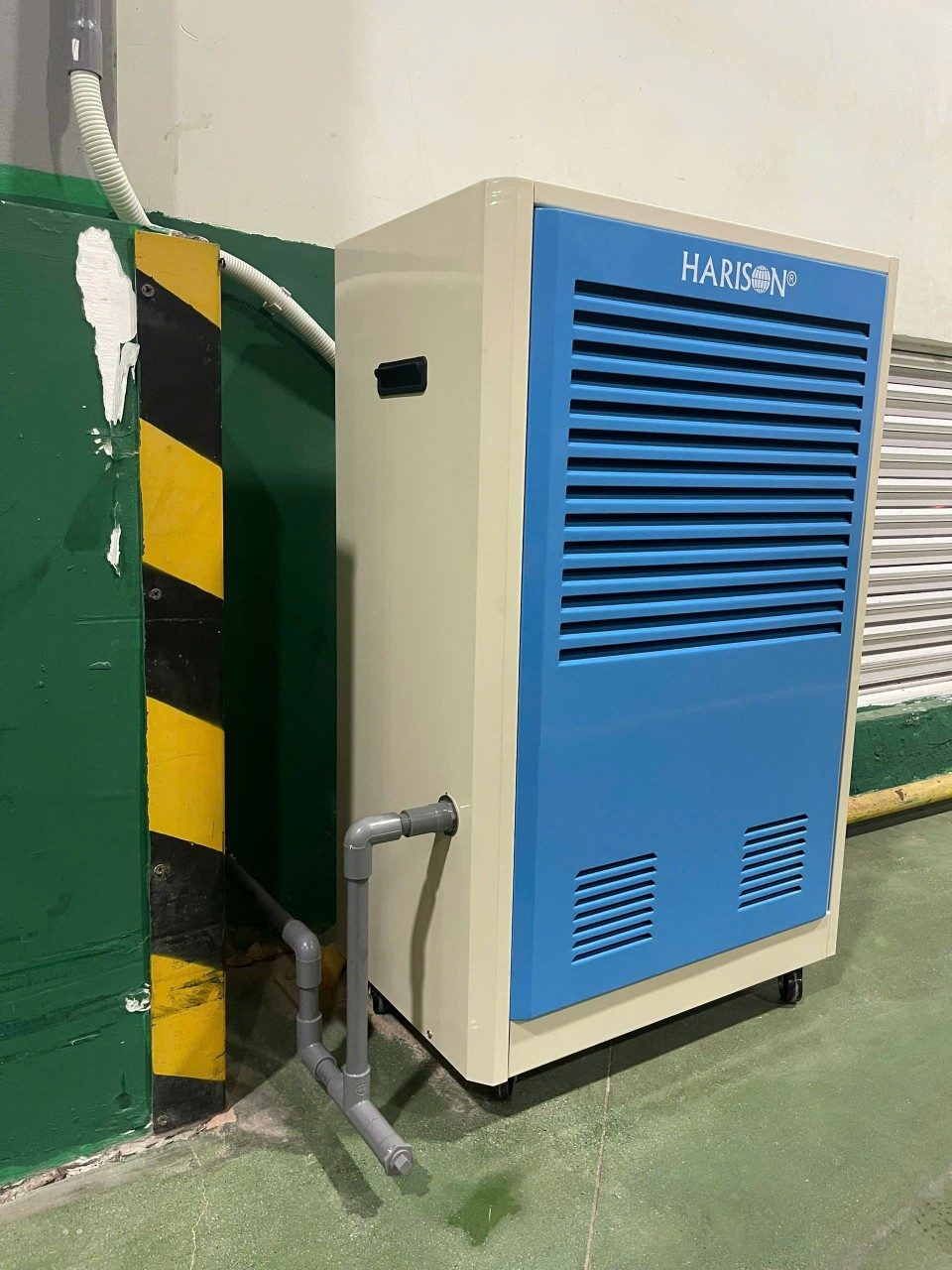
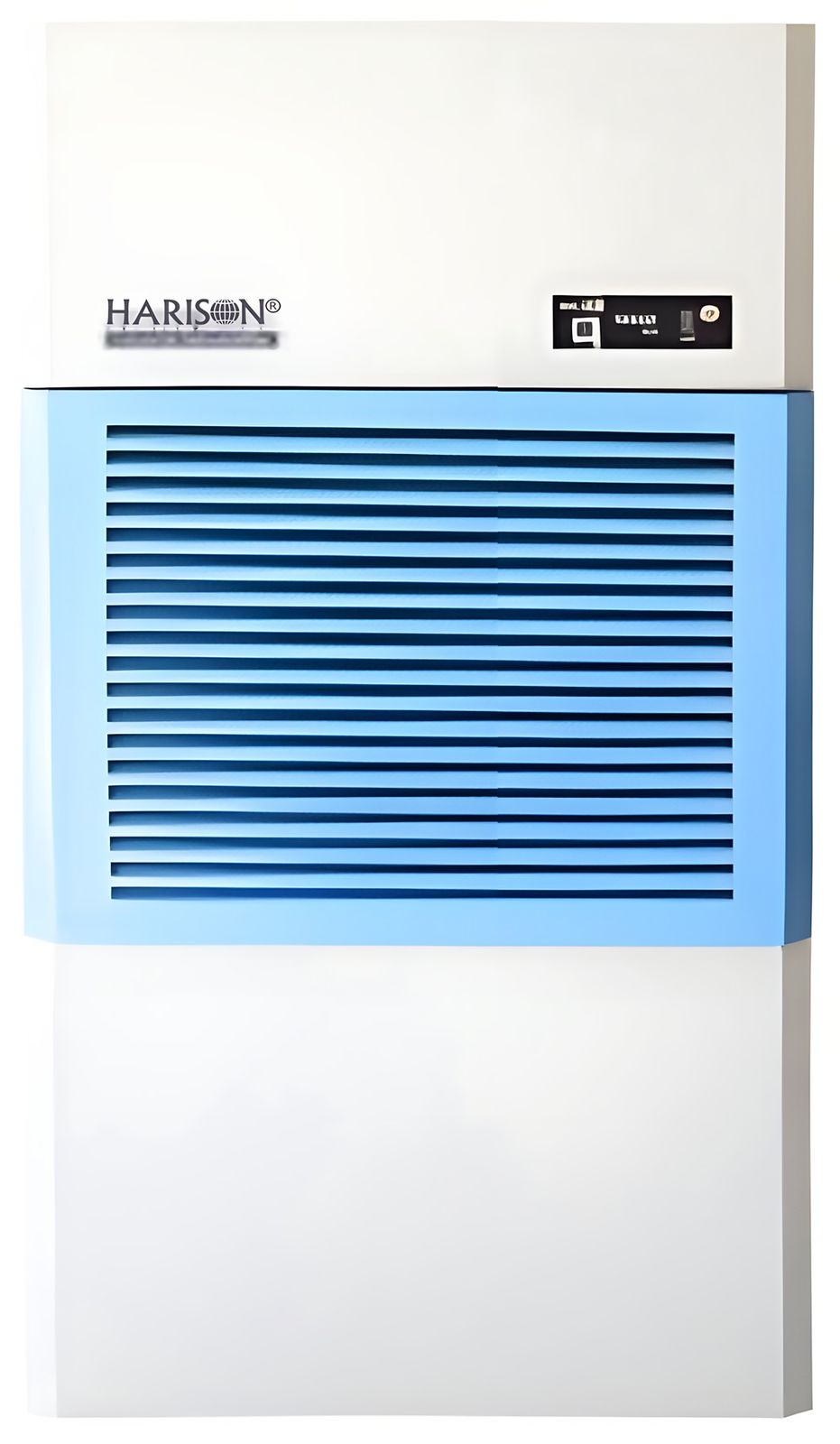
Fabric, especially cotton and blends, absorbs moisture from the air: high humidity causes mould, yellowing, odour and weight deviations, while very dry air causes static and brittle fibres. Fabric stores are usually held at a stable 50–60 %RH, according to the cargo owner's requirements. In Vietnam the rainy and 'nồm' seasons push warehouse humidity above 80 %RH, so industrial dehumidifiers sized to the store's actual moisture load are needed, with instruments to monitor it. ENCO has installed HARISON industrial dehumidifiers in fabric and garment stores for garment makers from northern to southern Vietnam, also supplies DryMax desiccant dehumidifiers, and offers a free survey and moisture-load calculation.
Fabric and garment-material stores hold large amounts of hygroscopic material. Unstable humidity is the main reason fabric lots go mouldy, change colour and get rejected by customers.
 Technical content byThS. Nguyễn Minh Thái · Updated
Reference: fabric, trim and finished-garment stores at about 50–60 %RH, stable all year; the exact level depends on the cargo owner's requirements and the fabric type.
Reference values. ENCO engineers calculate to the requirements and actual moisture load of each site.
| Area | Conditions and risks | How ENCO handles it |
|---|---|---|
| Greige and raw fabric store | About 50–60 %RH | Large rolls absorb slowly but hold moisture long; mould starts at the core |
| Trims store (thread, labels, interlining, cartons) | About 50–60 %RH | Paper, cartons and interlining are the most sensitive |
| Finished-garment store awaiting shipment | About 50–60 %RH | Sealed cartons trap moisture that causes mould in the container |
Price
Contact us for a quote

Price
Contact us for a quote
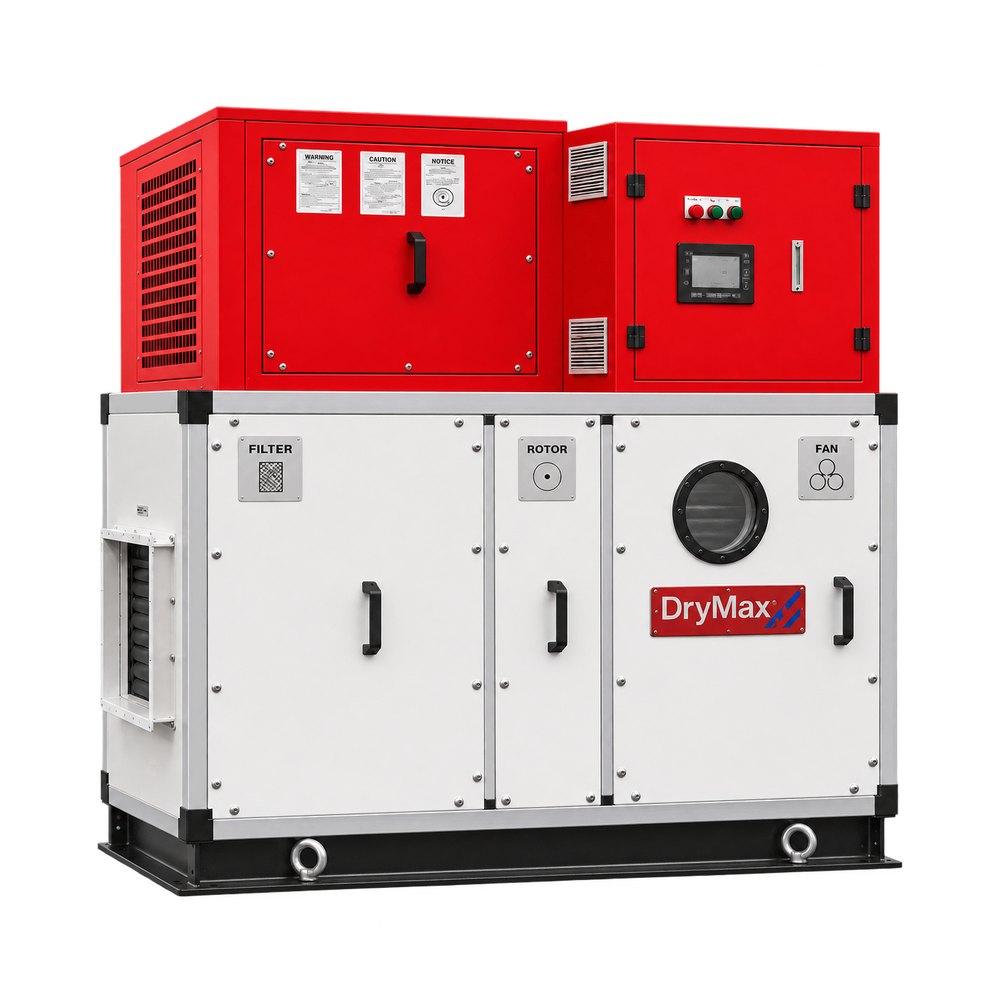
DM-1000 → DM-6000
Price on project basis
Contact us for a quote
| Date | Province | Work |
|---|---|---|
| 12/2025 | Ninh Binh | HARISON HD-504PS dehumidifiers for a fabric and garment storage room |
| 12/2025 | Ho Chi Minh City | HARISON HD-150B and HD-192B dehumidifiers for a garment warehouse |
| 11/2025 | Hue | HARISON HD-504PS dehumidifiers for a garment warehouse |
| 09/2025 | Hai Phong | HARISON HD-504B dehumidifiers for a garment warehouse |
| 06/2025 | Nghe An | HARISON HD-504PS dehumidifiers for a garment storage room |
| 05/2025 | Hung Yen | HARISON HD-192PS dehumidifiers for a knitwear warehouse |
| 05/2025 | Quang Tri | HARISON HD-192PS dehumidifiers for a clothing warehouse |
| 01/2025 | Da Nang | HARISON HD-192PS dehumidifiers for a garment warehouse |
From ENCO service records; customer names are not disclosed.
Usually about 50–60 %RH, stable all year. Above roughly 65–70 %RH mould starts to grow; below about 40 %RH fabric builds static easily. Follow the cargo owner's or brand's specification for the exact level.
Because fabric absorbs moisture from the air during long rainy or 'nồm' spells. When warehouse humidity stays above about 70 %RH for days, mould grows inside fabric rolls and cartons, leaving stains and a musty smell.
Not fully. Air-conditioning controls temperature and only removes moisture while cooling; when it is off or lightly loaded at night or in the 'nồm' season, humidity rises again. Dehumidifiers are controlled by humidity, so they keep the store more stable and usually use less energy than cooling the whole store.
Not by floor area but by moisture load: store volume, airtightness, door openings, daily incoming goods and the humidity to hold. Use the Moisture Load tool on this site for a first estimate; ENCO engineers survey and recalculate free of charge.
Store dimensions (length, width, height), location, fabric or trim types, the humidity required by the cargo owner, number of doors and how often they open, whether there is air-conditioning, and current humidity readings if available.
Send the room size, target humidity and the goods stored; ENCO surveys and proposes a solution free of charge.
Analytics cookies are only enabled if you agree. Details