
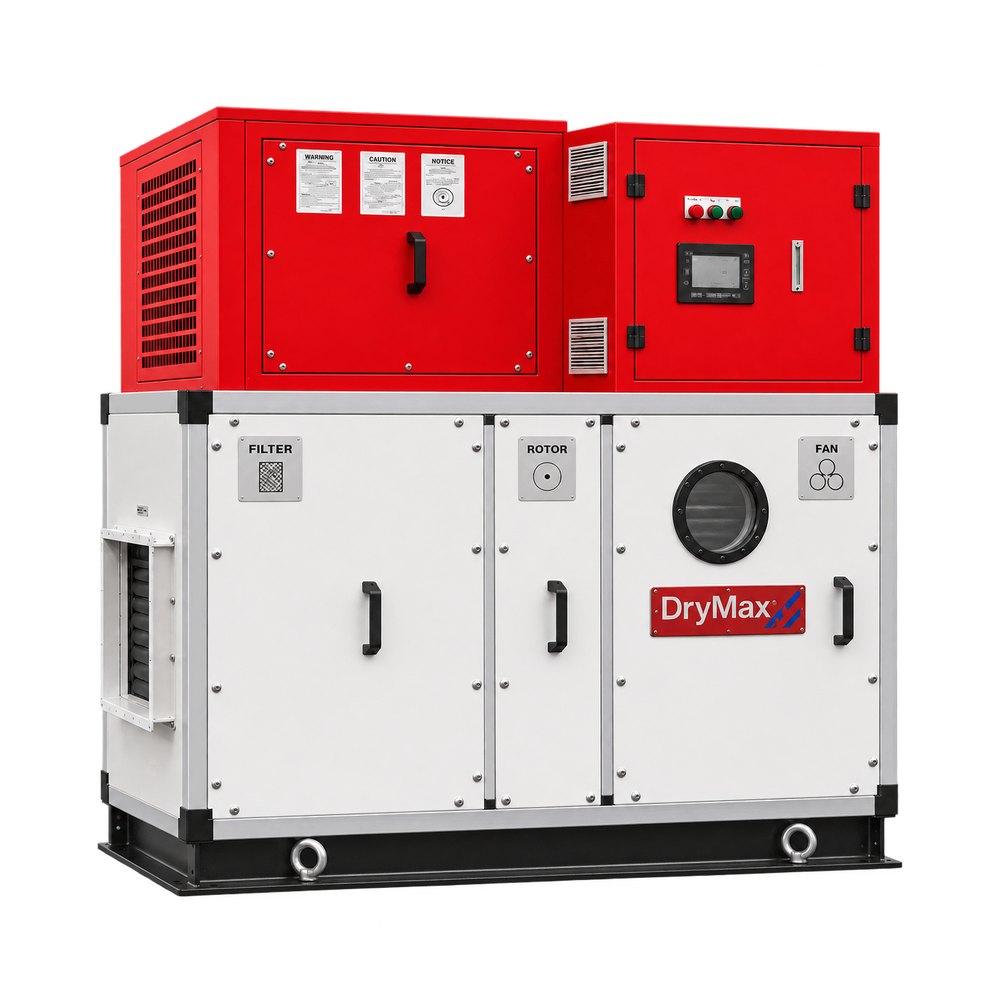
DRYMAX desiccant dehumidifiers
DryMax standard DM desiccant dehumidifiers (1,000–6,000 m³/h)
DM-1000 → DM-6000
Price on project basis
Contact us for a quote
A rotor dehumidifier (technically a desiccant or adsorption dehumidifier) uses a silica-gel wheel to hold water vapour, so it can bring humidity below 40 %RH, reach low dew points and keep working in rooms colder than about 15 °C, conditions in which compressor dehumidifiers remove little moisture. ENCO builds DryMax desiccant dehumidifiers at the DryMax factory (Cu Chi, Ho Chi Minh City) with Naav Solutions (Canada) technology: the standard DM series 1,000–6,000 m³/h with moisture removal up to 44.5 kg/h (DM-6000, rated at 20 °C / 60 %RH), the DMTH series for dry rooms down to 1 %RH, and large units up to 86,000 m³/h (PTSC Vung Tau paint shop, 2023–2024). Figures from ENCO projects: a tablet storage room specified at 4 %RH served by a super-low-dew-point DryMax system (Thanh Hoa, 2022), a soft-capsule drying room measured at 18.6 %RH and 22.9 °C (Hanoi, 2022), and a confectionery hall measured at 14 °C / 28 %RH at handover (Long An, 2025).
When humidity must be below about 40 %RH, a low dew point is required, or the room is cold (cold stores, processing halls, cleanrooms), compressor dehumidifiers stop being effective. That is when a desiccant rotor dehumidifier is needed.
 Technical content byNguyen Minh Thai, MSc · Updated
Reference from ENCO projects: 28 %RH at 14 °C (confectionery), 20 %RH at 20 °C (pharmaceuticals), 18.6 %RH at 22.9 °C (soft-capsule drying room); the DMTH series serves dry rooms down to 1 %RH.
Reference values. ENCO engineers calculate to the requirements and actual moisture load of each site.
| Area | Conditions and risks | How ENCO handles it |
|---|---|---|
| Below 40 %RH at normal temperature | Pharmaceutical stores, powder and component production | DryMax DM-series desiccant dehumidifier |
| Both cold and dry | Confectionery, chocolate, pharmaceutical halls | DryMax DMTH unit (rotor + cooling coil) |
| Cold rooms, wet processing halls | Ceiling condensation, iced doors | DryMax dry-air units for condensation control |
| Large paint and blasting shops | Very large airflow, dew point held below steel temperature | Large DryMax units, e.g. 86,000 m³/h at PTSC |
| Lithium battery dry rooms | Dew point tens of degrees below zero | DMTH series, DryMax SLD |
DM-1000 → DM-6000
Price on project basis
Contact us for a quote
Illustrative photoPrice on project basis
Contact us for a quote
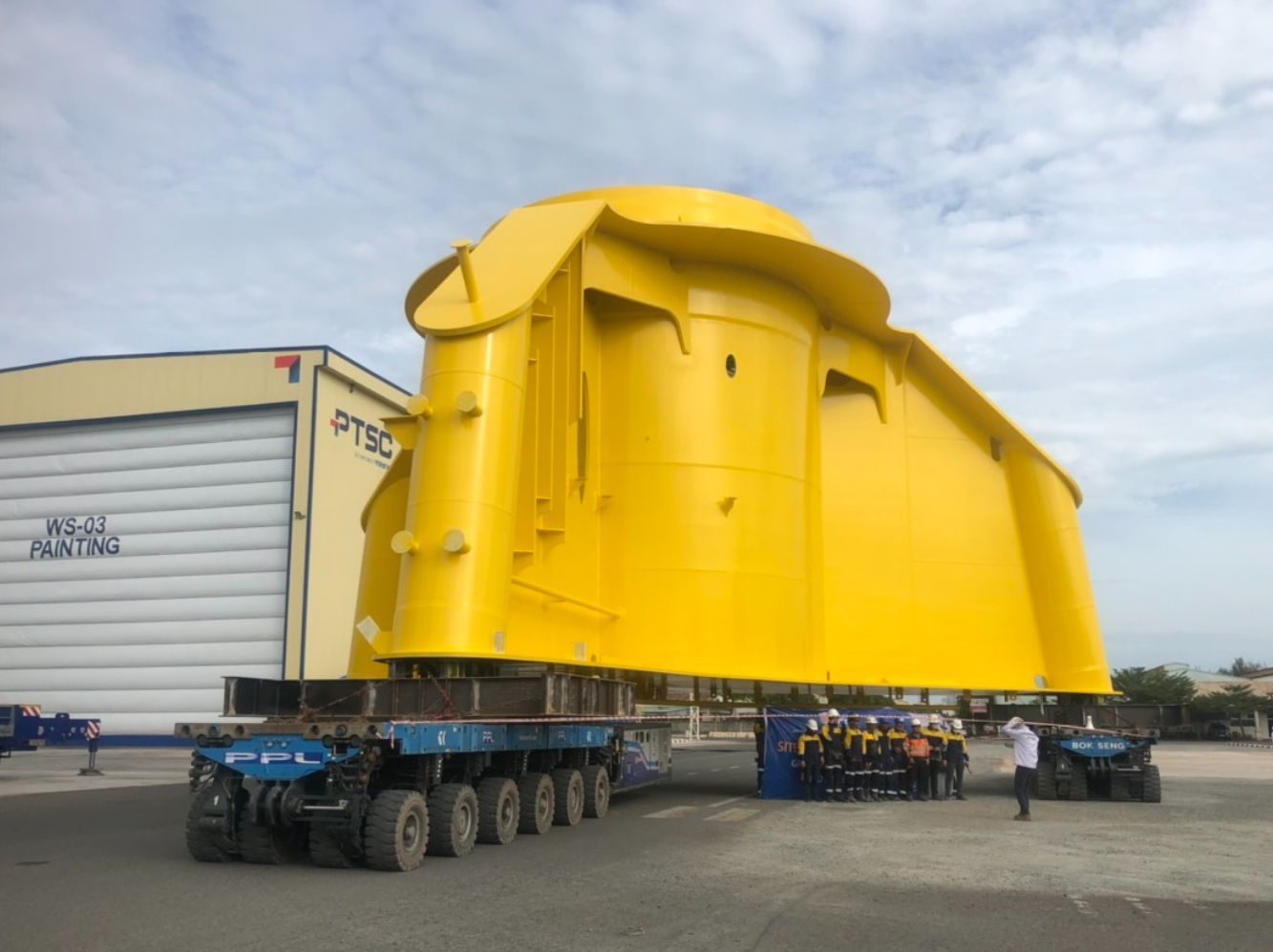
PTSC fabrication yard, Vung Tau · 2023–2024
86,000 m³/h dehumidification for an oil & gas structure blasting & paint hall
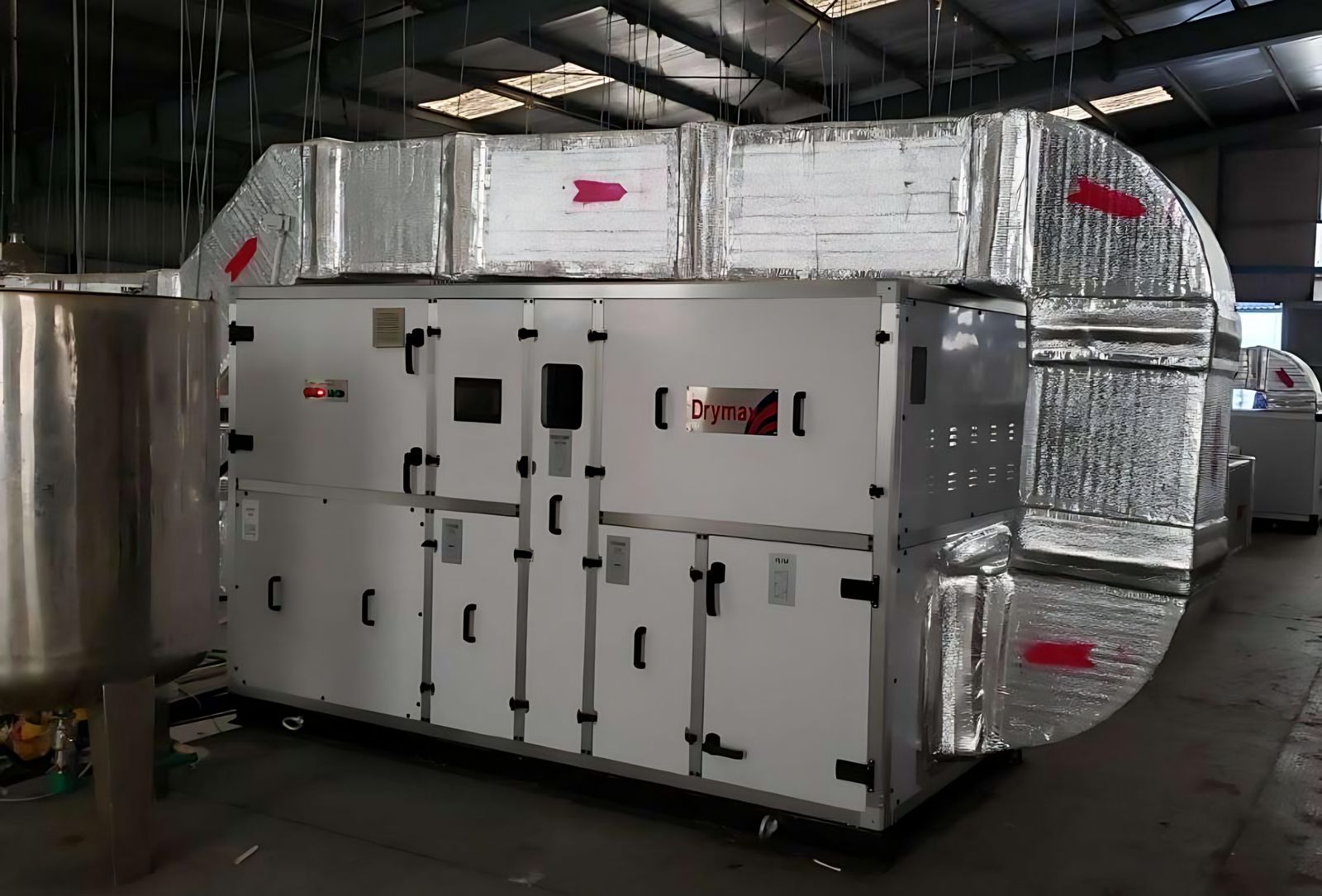
Nationwide · since 1997 (Nguyen Minh Thai, MSc)
Humidity control for pharmaceuticals and electronics: 20 °C / 20 %RH
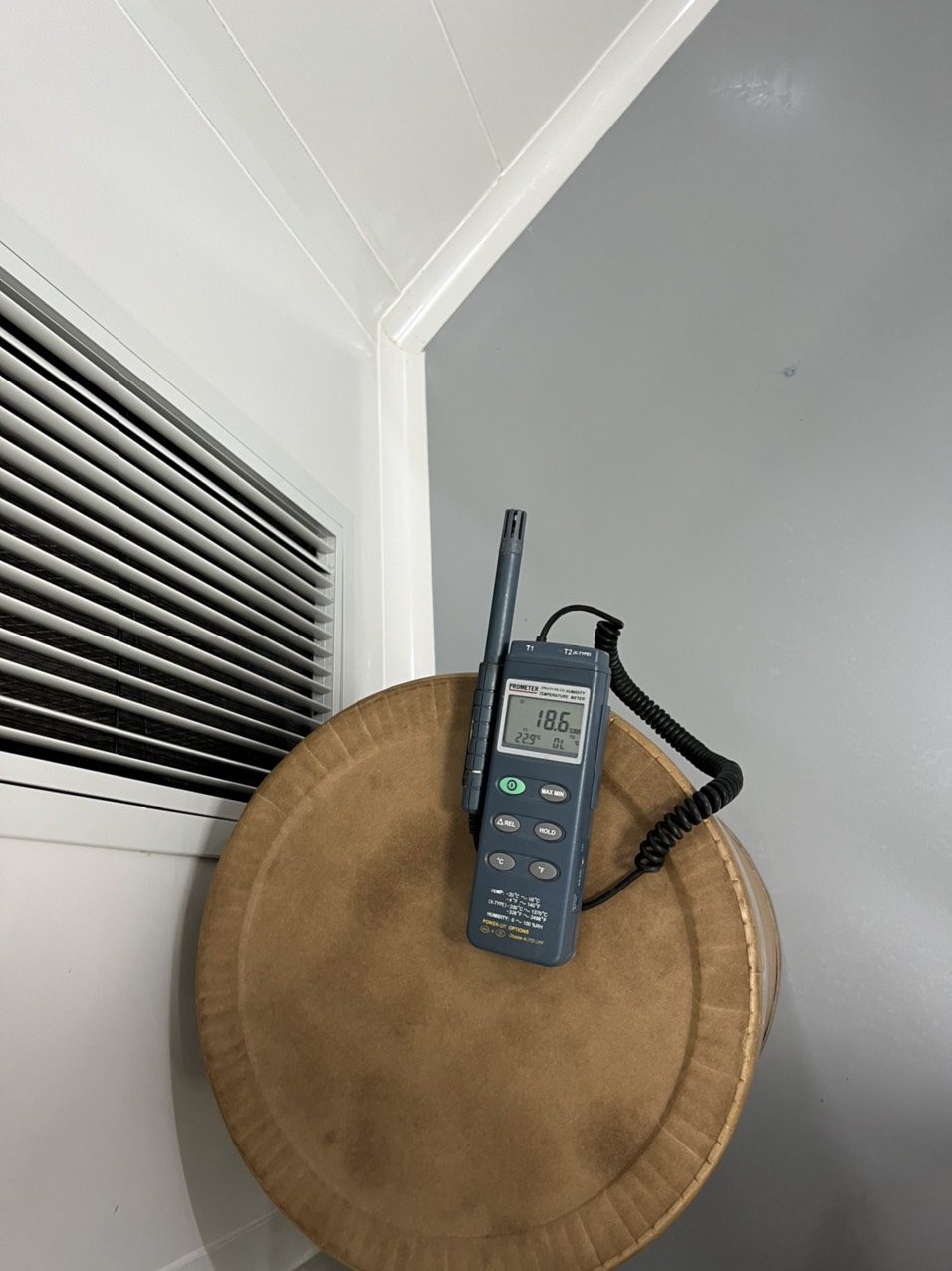
Hanoi · 2022
DryMax DMTH unit for a soft-capsule drying room: 18.6 %RH measured
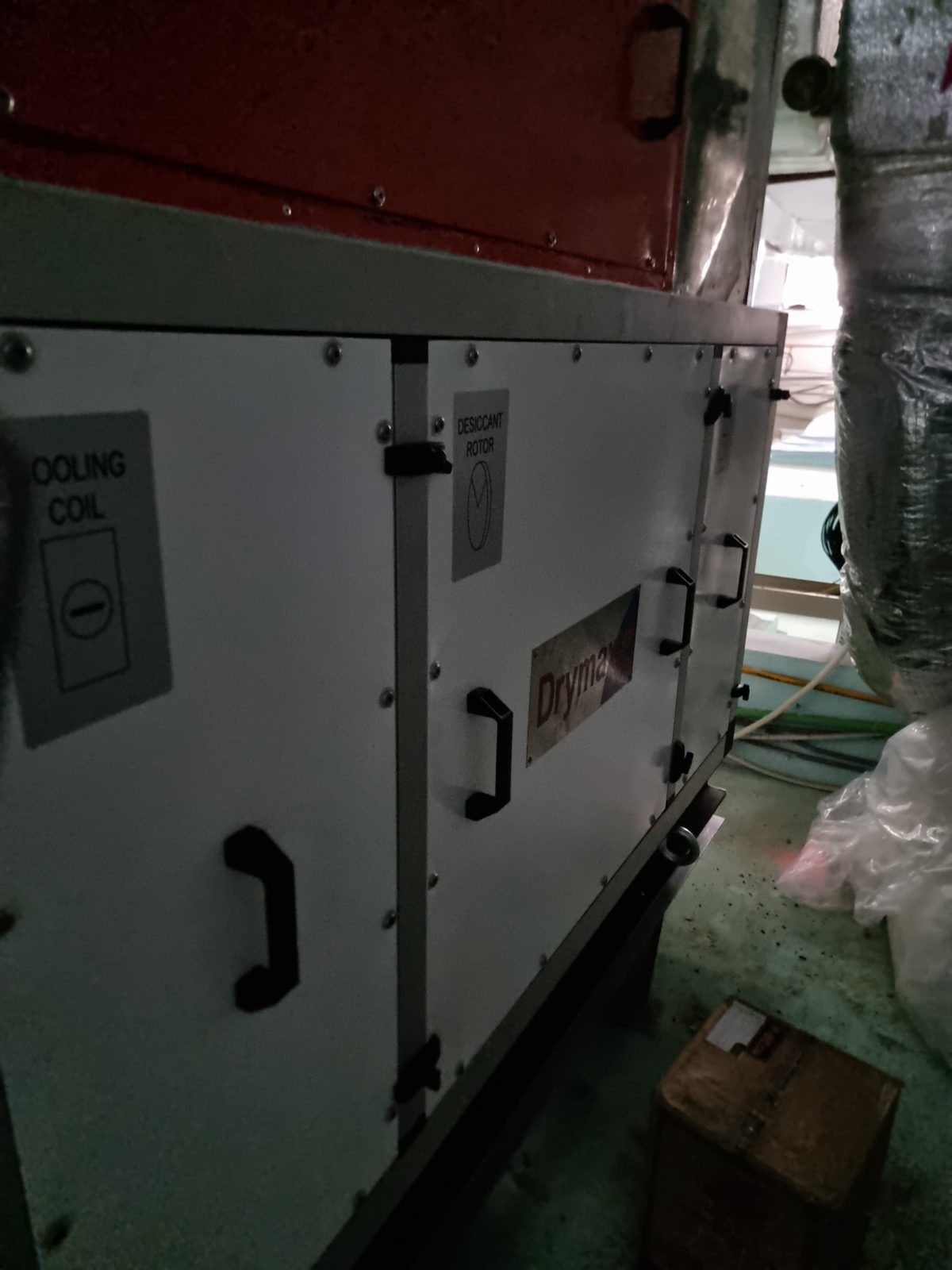
Thanh Hoa · 2022
Super-low-dew-point DryMax system holding 4 %RH for a tablet storage room and drug drying room
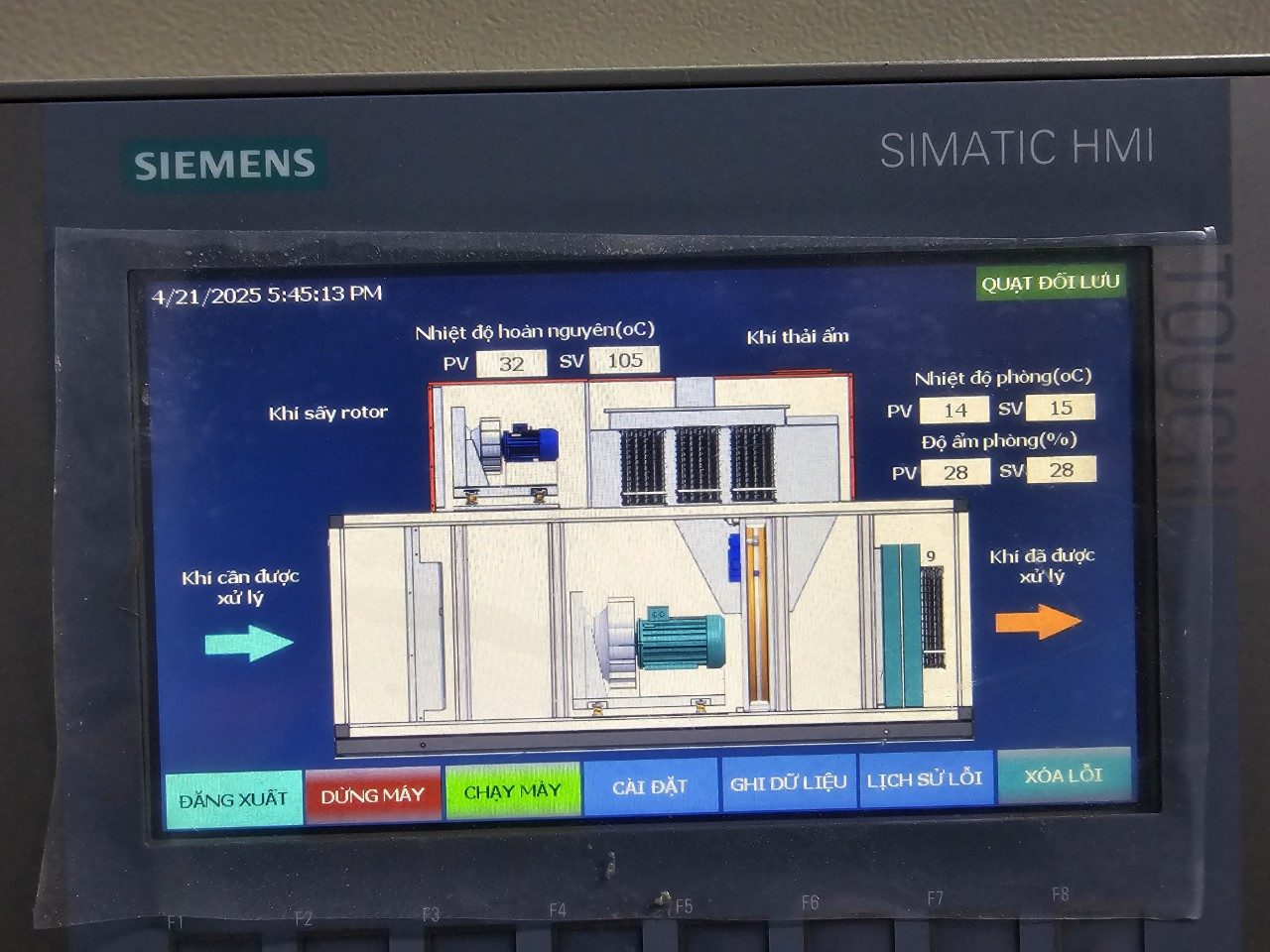
Long An (now Tay Ninh) · 2025
DryMax DMTH unit for a confectionery production hall: 14 °C / 28 %RH reached at handover
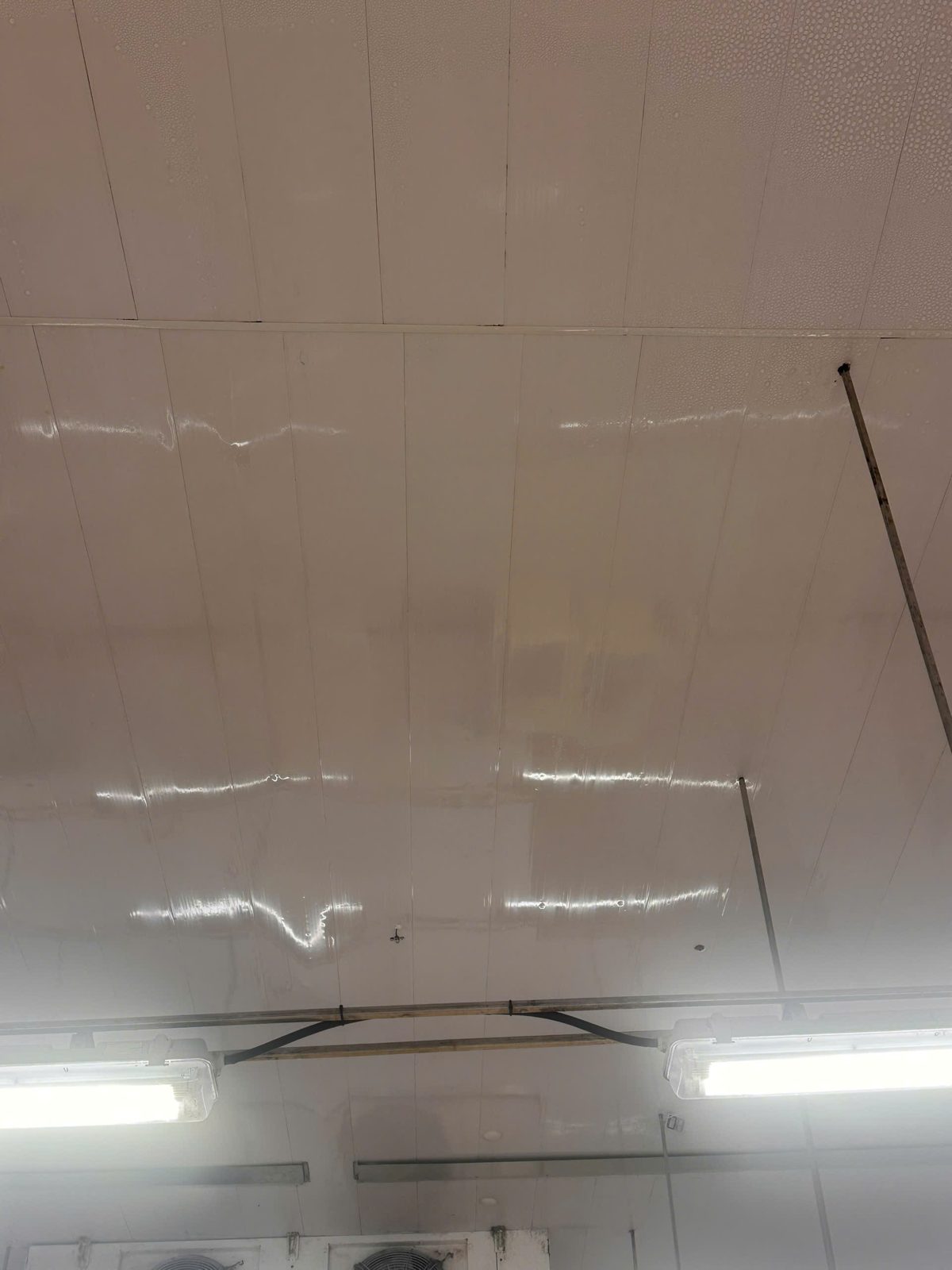
Hau Giang (now Can Tho) · 2025
Condensation control in the steaming room of a seafood plant with a DryMax DMFG-6E5 unit
| Date | Province | Work |
|---|---|---|
| 06/2026 | Da Nang | DryMax DMTH-2 unit for a pharmaceutical plant |
| 01/2026 | Gia Lai | Maintenance and repair of a DryMax DMTH unit at a sugar mill |
| 12/2025 | Hau Giang (now Can Tho) | DryMax DMFG-6E5 supplying dry air against condensation in a seafood steaming room |
| 07/2025 | Hanoi | DryMax DM-810 desiccant dehumidifier for a pharmaceutical laboratory |
| 04/2025 | Long An (now Tay Ninh) | DryMax DMTH unit for a confectionery hall: room at 14 °C / 28 %RH at handover |
| 11/2022 | Hanoi | Super-low-dew-point DryMax SLD system for a lithium-battery laboratory |
| 11/2022 | Thanh Hoa | Ultra-low-dew-point DryMax system holding 4 %RH for a tablet storage room and a drug drying room; ductwork sealed |
| 09/2022 | Hanoi | DryMax DMTH unit for a soft-capsule drying room: measured 18.6 %RH at 22.9 °C |
| 2021 | Hanoi | DryMax SLD system for a lithium-battery production room |
From ENCO service records; customer names are not disclosed.
It is a desiccant (adsorption) dehumidifier: air passes through a silica-gel honeycomb wheel and water vapour is held on its surface; one sector of the wheel is swept by hot air to expel the moisture before it turns back to dehumidify. ENCO's DryMax units are of this type.
When humidity must be below about 40 %RH, a low dew point is needed, or the room is below about 15 °C. At normal temperature and 40–60 %RH, HARISON industrial (compressor) dehumidifiers are more economical.
It depends on the model and system design. The standard DM series serves rooms needing below about 40 %RH; DryMax DMTH units serve dry rooms down to 1 %RH; multi-stage DryMax SLD systems serve lithium-battery dry rooms and laboratories needing dew points of minus several tens of degrees C. Measured on an ENCO project: a soft-capsule drying room at 18.6 %RH and 22.9 °C (Hanoi, 2022).
Most of the power goes to reactivating the rotor. DryMax can reactivate with steam, waste heat or a combination to cut electricity; each model's power is listed in its catalogue (standard series 12.3–62.4 kW with electric reactivation).
Room dimensions, the temperature and humidity (or dew point) to hold, fresh-air volume, number of people, products, number of doors and how often they open, and available heat sources. ENCO engineers survey and calculate the moisture load free of charge.
Send the room size, target humidity and the goods stored; ENCO surveys and proposes a solution free of charge.